
The Board Practice
Here you will find all content created in cooperation with our partner The Board Practice.
Interviews
.jpg)
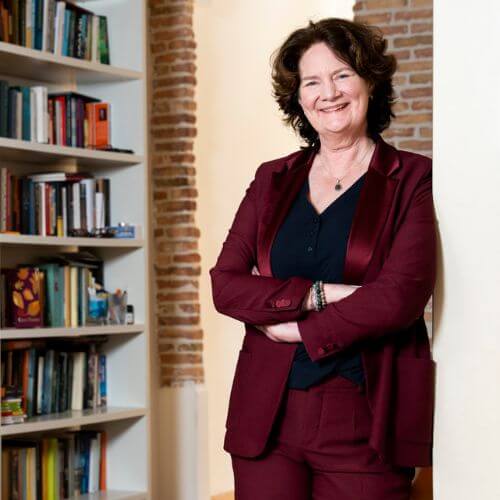
For supervisory board member Nienke Meijer, real progress begins with an open mind and genuine interest in others. She advocates for collective wisdom in the boardroom. This can be achieved by listening, slowing down, and making room for other perspectives. ‘Diversity in knowledge, background, and leadership style leads to creative solutions.’
Read moreKarl Guha, chairman of the supervisory board of ING and number two in the Management Scope Top 100 Supervisory Board Members, has over thirty years of experience in international banking. A conversation on risk-taking, (over)regulation, and the Dutch tendency to break ranks with Europe. ‘Shareholders are asking how the ING board can accept a permanent and avoidable loss in value, simply because of choosing the Netherlands as a business location. That is the dilemma we face. Do I have a solution? No. Does it bother me enormously? Absolutely. Am I worried about it? Yes.’
Read moreGroup company secretary of global technology company Prosus, Lynelle Bagwandeen, observes the approval of deals and strategic decisions. As secretarial support to the board, she is able to contribute to smooth and considered decision-making. 'As company secretary, you have to park your ego at the door.'
Read moreAt the beginning of 2024, Else Bos stepped down as member and chair of the supervisory board of De Nederlandsche Bank (DNB), to focus on positions on the supervisory boards of private companies. The newcomer in this year’s Next50 speaks about the dilemmas in the role as a member of a supervisory board and the functioning of supervisory boards. ‘To me, the way of working together is at least as important as the diversity of skills.’
Read more
Nienke Meijer on leveraging collective wisdom
For supervisory board member Nienke Meijer, real progress begins with an open mind and genuine interest in others. She advocates for collective wisdom in the boardroom. This can be achieved by listening, slowing down, and making room for other perspectives. ‘Diversity in knowledge, background, and leadership style leads to creative solutions.’
Read more
Karl Guha: ‘Zero risk means zero reward’
Karl Guha, chairman of the supervisory board of ING and number two in the Management Scope Top 100 Supervisory Board Members, has over thirty years of experience in international banking. A conversation on risk-taking, (over)regulation, and the Dutch tendency to break ranks with Europe. ‘Shareholders are asking how the ING board can accept a permanent and avoidable loss in value, simply because of choosing the Netherlands as a business location. That is the dilemma we face. Do I have a solution? No. Does it bother me enormously? Absolutely. Am I worried about it? Yes.’
Read more
Lynelle Bagwandeen (Prosus): ‘The company secretary is a facilitator, not a wet blanket'
Group company secretary of global technology company Prosus, Lynelle Bagwandeen, observes the approval of deals and strategic decisions. As secretarial support to the board, she is able to contribute to smooth and considered decision-making. 'As company secretary, you have to park your ego at the door.'
Read more
Else Bos: ‘Creating space for real dialogue is at the basis of the advisory role’
At the beginning of 2024, Else Bos stepped down as member and chair of the supervisory board of De Nederlandsche Bank (DNB), to focus on positions on the supervisory boards of private companies. The newcomer in this year’s Next50 speaks about the dilemmas in the role as a member of a supervisory board and the functioning of supervisory boards. ‘To me, the way of working together is at least as important as the diversity of skills.’
Read more
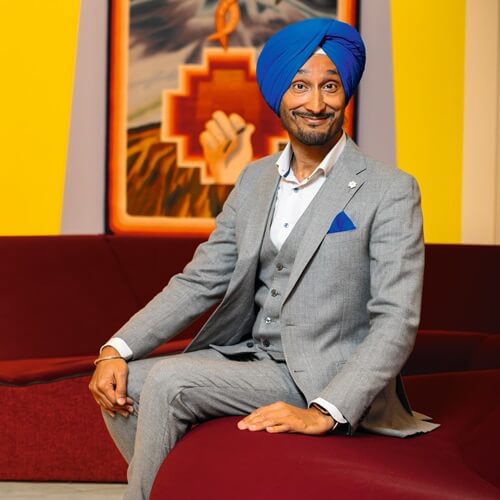

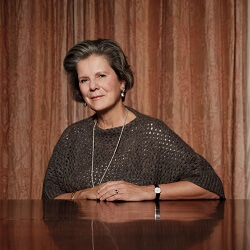
Top supervisory director Carla Mahieu previously held primarily HR roles in major companies such as Shell, Philips, and Aegon. As a supervisory director, she has developed a keen eye for talent management and succession planning. For Mahieu, these are ongoing processes which, despite its ever-increasing data-driven nature, demand humanity in equal measure. Strategic workforce planning enables organizations to prepare for various scenarios. ‘Perhaps we should, after all, formulate a number of different profiles for a future CEO.’
Read moreKuldip Singh is No. 1 on the Next50-list of non-executive directors. His non-executive board memberships are impact-driven: ‘If you are active in one company you have an impact on that one company only and possibly to a small extent on the sector. It is much more interesting to take a broader approach.’ An open conversation about backbone, the importance of diversity and the power of digital transformations with an upcoming non-executive director who does not want to let go of the executive side. ‘Where and in what role can I achieve the most? I ask myself that question all the time.’
Read moreIt is not the increasing complexity that makes the work of executives and supervisory directors challenging these days, says multi-supervisory director Michiel Lap. Much more important, he believes, is the pace and scope of all the changes. ‘Being fully proficient at everything is impossible. Curiosity and willingness to learn are crucial, and supervisory directors must be able to assess whether they are not overlooking essential issues.’
Read morePauline van der Meer Mohr has seen the inside of a considerable number of boardrooms over the past 15 years. But even though she belongs to the old guard, she is not afraid of modernization. She has no objection to a board that ‘ employs’ an AI device in addition to Supervisory Directors of flesh and blood. ‘ That could be very valuable.’ However, she does worry about (potential) colleagues who would no longer be interested in being a Supervisory Board member because of legalization.
Read more
Carla Mahieu on the Art of Attracting a New CEO
Top supervisory director Carla Mahieu previously held primarily HR roles in major companies such as Shell, Philips, and Aegon. As a supervisory director, she has developed a keen eye for talent management and succession planning. For Mahieu, these are ongoing processes which, despite its ever-increasing data-driven nature, demand humanity in equal measure. Strategic workforce planning enables organizations to prepare for various scenarios. ‘Perhaps we should, after all, formulate a number of different profiles for a future CEO.’
Read more
Kuldip Singh: ‘Ask Yourself How It Can Be Done Ten Times Faster and Better’
Kuldip Singh is No. 1 on the Next50-list of non-executive directors. His non-executive board memberships are impact-driven: ‘If you are active in one company you have an impact on that one company only and possibly to a small extent on the sector. It is much more interesting to take a broader approach.’ An open conversation about backbone, the importance of diversity and the power of digital transformations with an upcoming non-executive director who does not want to let go of the executive side. ‘Where and in what role can I achieve the most? I ask myself that question all the time.’
Read more
Michiel Lap: ‘The No-Goes of a Supervisory Director’
It is not the increasing complexity that makes the work of executives and supervisory directors challenging these days, says multi-supervisory director Michiel Lap. Much more important, he believes, is the pace and scope of all the changes. ‘Being fully proficient at everything is impossible. Curiosity and willingness to learn are crucial, and supervisory directors must be able to assess whether they are not overlooking essential issues.’
Read more
Pauline van der Meer Mohr: ‘A Virtual Colleague On The Board, Why Not?’
Pauline van der Meer Mohr has seen the inside of a considerable number of boardrooms over the past 15 years. But even though she belongs to the old guard, she is not afraid of modernization. She has no objection to a board that ‘ employs’ an AI device in addition to Supervisory Directors of flesh and blood. ‘ That could be very valuable.’ However, she does worry about (potential) colleagues who would no longer be interested in being a Supervisory Board member because of legalization.
Read more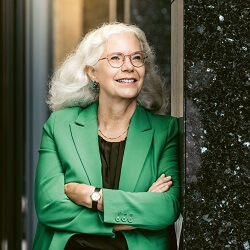
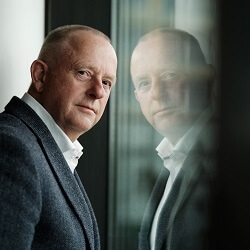

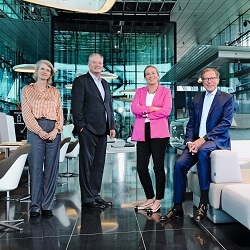
Jeanine Helthuis has substantial experience as an executive but nowadays dedicates her time exclusively to supervisory board positions. She notes that the members of these two bodies need each other and strengthen each other. ‘You consult with each other more, more frequent and in more depth about what governance, ESG, stakeholder interests, and digital developments mean for the company and its strategy.’
Read moreMulti-Supervisory Board member Willem Cramer wants to bring the outside world into companies, 'stir up' the board and, above all, interpret the social noise - emphasizing that it is a mistake to operate too cautiously and want to avoid all risks. To keep an open mind, he deliberately chooses to supervise multiple companies: ’Those who focus too much on a single company may miss the external antennae.
Read moreA Supervisory Board is especially effective when its advisory role is performed well, believes experienced Supervisory Board member Jurgen Stegmann. ‘You should be in constant dialogue with the board and both sides should invest in this. Many Supervisory Board members hardly ever realize just how influential they are. Simply putting issues on the agenda and discussing them can affect the direction in which a company develops.’
Read moreThe experienced Supervisory Board members we invited to discuss board effectiveness in times of turbulence and transition, all have one thing in common: they wish to challenge Boards of Directors to maintain their connection to society and create a positive impact even in turbulent times. Bottom line: this cannot be achieved unless strategy sessions start at the beginning. ‘What do we actually mean by sustainability, social responsibility and inclusion? You will notice the answers will not be identical. How, then, can we know that we share the same ambitions?’
Read more
Jeanine Helthuis on Board Effectiveness
Jeanine Helthuis has substantial experience as an executive but nowadays dedicates her time exclusively to supervisory board positions. She notes that the members of these two bodies need each other and strengthen each other. ‘You consult with each other more, more frequent and in more depth about what governance, ESG, stakeholder interests, and digital developments mean for the company and its strategy.’
Read more
Willem Cramer: 'Underboarding is a Danger'
Multi-Supervisory Board member Willem Cramer wants to bring the outside world into companies, 'stir up' the board and, above all, interpret the social noise - emphasizing that it is a mistake to operate too cautiously and want to avoid all risks. To keep an open mind, he deliberately chooses to supervise multiple companies: ’Those who focus too much on a single company may miss the external antennae.
Read more
Jurgen Stegmann: 'Non-Executives Hardly Ever Realize Just How Influential They Are'
A Supervisory Board is especially effective when its advisory role is performed well, believes experienced Supervisory Board member Jurgen Stegmann. ‘You should be in constant dialogue with the board and both sides should invest in this. Many Supervisory Board members hardly ever realize just how influential they are. Simply putting issues on the agenda and discussing them can affect the direction in which a company develops.’
Read more
Board Effectiveness in Turbulent Times: 'Are We Actually Talking About the Same Thing?'
The experienced Supervisory Board members we invited to discuss board effectiveness in times of turbulence and transition, all have one thing in common: they wish to challenge Boards of Directors to maintain their connection to society and create a positive impact even in turbulent times. Bottom line: this cannot be achieved unless strategy sessions start at the beginning. ‘What do we actually mean by sustainability, social responsibility and inclusion? You will notice the answers will not be identical. How, then, can we know that we share the same ambitions?’
Read moreEssays



The focus of supervisory board evaluations has shifted; attention to compliance-related matters alone is no longer sufficient. This shift is in line with the changing role of supervisory board members to becoming proactive, engaged partners of the management board. These developments will continue at a rapid pace, write Victor Prozesky and Frank Burgers of The Board Practice.
Read moreUnderlying tensions and dominant members in the executive and/or supervisory board - company secretaries play an important, but far from easy role in the dynamics in the boardroom. 'Many large companies underestimate the consequences of undesirable behaviour in the boardroom,' was the message during a masterclass by The Board Practice.
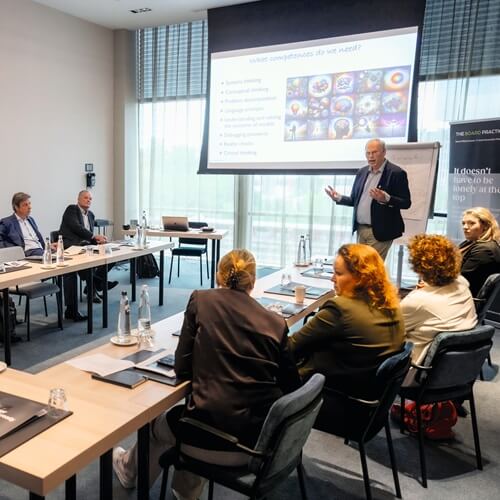
Read moreNow that artificial intelligence (AI) offers unprecedented opportunities in many areas, organizations face the challenge of anticipating these developments— consciously, and cognizant of the risks and limitations. ‘Workflows everywhere will change,’ was the urgent message during a masterclass for board members organized by Management Scope in collaboration with The Board Practice. What should leaders focus on during this transition?
Read moreArtificial intelligence offers huge opportunities, but also risks and ethical dilemmas. During the masterclass on AI for Company Secretaries on the search for safe application of this technology, one thing becomes clear: it is imperative to ensure the boardroom’s knowledge on AI is in order.
Read more
The evolution of the annual evaluation
The focus of supervisory board evaluations has shifted; attention to compliance-related matters alone is no longer sufficient. This shift is in line with the changing role of supervisory board members to becoming proactive, engaged partners of the management board. These developments will continue at a rapid pace, write Victor Prozesky and Frank Burgers of The Board Practice.
Read more
Company secretaries are the guardians of behavioural risks
Underlying tensions and dominant members in the executive and/or supervisory board - company secretaries play an important, but far from easy role in the dynamics in the boardroom. 'Many large companies underestimate the consequences of undesirable behaviour in the boardroom,' was the message during a masterclass by The Board Practice.
Read more
Masterclass AI: 'Clean Data Are the New Gold'
Now that artificial intelligence (AI) offers unprecedented opportunities in many areas, organizations face the challenge of anticipating these developments— consciously, and cognizant of the risks and limitations. ‘Workflows everywhere will change,’ was the urgent message during a masterclass for board members organized by Management Scope in collaboration with The Board Practice. What should leaders focus on during this transition?
Read more
Masterclass Artificial Intelligence: ‘ChatGPT Is Not That Clever’
Artificial intelligence offers huge opportunities, but also risks and ethical dilemmas. During the masterclass on AI for Company Secretaries on the search for safe application of this technology, one thing becomes clear: it is imperative to ensure the boardroom’s knowledge on AI is in order.
Read more

How the mandatory self-evaluation is approached determines the difference between a Supervisory Board that simply does what is required and a truly effective Supervisory Board with added value for company and directors, argues Victor Prozesky of The Board Practice. What does it take to get more value out of mandatory self-evaluation?
Read moreESG, diversity, talent succession: Supervisory Board members have a lot on their plate. Victor Prozesky, Founder and Partner of The Board Practice, views a proactive Board attitude as a prerequisite for future-proofing. A successful Board does not wait for ESG standards and takes diversity, inclusion and talent management extremely seriously. A thorough evaluation of Board effectiveness – from an outsider’s perspective – is also part of the process.
Read more
This Way, Self-evaluation is No Longer a Routine Exercise
How the mandatory self-evaluation is approached determines the difference between a Supervisory Board that simply does what is required and a truly effective Supervisory Board with added value for company and directors, argues Victor Prozesky of The Board Practice. What does it take to get more value out of mandatory self-evaluation?
Read more
An Active Board Stays in Control
ESG, diversity, talent succession: Supervisory Board members have a lot on their plate. Victor Prozesky, Founder and Partner of The Board Practice, views a proactive Board attitude as a prerequisite for future-proofing. A successful Board does not wait for ESG standards and takes diversity, inclusion and talent management extremely seriously. A thorough evaluation of Board effectiveness – from an outsider’s perspective – is also part of the process.
Read moreRelated themes
Corporate governance

Strategy