
Vattenfall
Here you will find all content created in cooperation with our partner Vattenfall.
Interviews
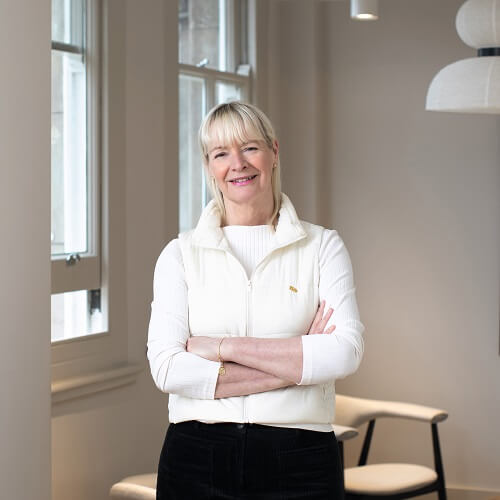
To Roderick Glerum, director of the business market at Vattenfall, the fact that the energy transition in the Netherlands is not progressing as quickly as desired or hoped for is no reason for pessimism. He is convinced that even small steps will ultimately make a difference. ‘We are innovative and creative enough to find a solution to every problem.’
Read moreThe Dutch Climate Act requires the Netherlands to have reduced CO2 emissions by 55 percent by 2030 compared to 1990. That goal is jeopardized by the barriers industrial companies experience in reducing their emissions. Hans Grünfeld of the Association for Energy, Environment, and Water, and Frank Meens of energy company Vattenfall, discuss the turning point we are facing and whether it is still possible to make the transition in time. ‘The situation is worrying, but the path is clear: it is vital for the government to remove existing bottlenecks.
Read moreThe longing for a society that is cleaner, more innovative and more equitable is how one of the three young professionals at our roundtable powerfully summarizes the essence of the energy transition. It is about time for policymakers, scientists, citizens and the industry to act together. Optimism is important, but must not take over. ‘Sit back with the idea that everything will turn out fine? We are f*cked!’
Read moreFor Angela Wilkinson, Secretary General and CEO of the World Energy Council a successful energy transition does not lie in grandiose projects. Rather, local initiatives that enthuse citizens will be a great help. ‘This way, we succeed more effectively in putting people at the center of the energy revolution.’
Read more
Roderick Glerum (Vattenfall): ‘Don't wait to invest in the energy transition’
To Roderick Glerum, director of the business market at Vattenfall, the fact that the energy transition in the Netherlands is not progressing as quickly as desired or hoped for is no reason for pessimism. He is convinced that even small steps will ultimately make a difference. ‘We are innovative and creative enough to find a solution to every problem.’
Read more
Hans Grünfeld and Frank Means on barriers in the energy transition
The Dutch Climate Act requires the Netherlands to have reduced CO2 emissions by 55 percent by 2030 compared to 1990. That goal is jeopardized by the barriers industrial companies experience in reducing their emissions. Hans Grünfeld of the Association for Energy, Environment, and Water, and Frank Meens of energy company Vattenfall, discuss the turning point we are facing and whether it is still possible to make the transition in time. ‘The situation is worrying, but the path is clear: it is vital for the government to remove existing bottlenecks.
Read more
Future energy leaders
The longing for a society that is cleaner, more innovative and more equitable is how one of the three young professionals at our roundtable powerfully summarizes the essence of the energy transition. It is about time for policymakers, scientists, citizens and the industry to act together. Optimism is important, but must not take over. ‘Sit back with the idea that everything will turn out fine? We are f*cked!’
Read more
Angela Wilkinson: ‘The energy transition needs a bottom-up approach’
For Angela Wilkinson, Secretary General and CEO of the World Energy Council a successful energy transition does not lie in grandiose projects. Rather, local initiatives that enthuse citizens will be a great help. ‘This way, we succeed more effectively in putting people at the center of the energy revolution.’
Read more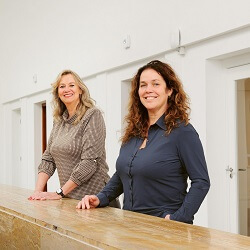

Thanks to high energy prices, it pays to make buildings more sustainable. Therefore, Dutch Green Building Council Director Annemarie van Doorn does not need to encourage entrepreneurs that fiercely to get to work. On the other hand, Elisabeth Post, Chairman of the trade association ‘Transport en Logistiek Nederland’, needs to be more persuasive to get entrepreneurs to make more sustainable choices. The will is there, but grid congestion poses major problems for the sector. Besides that, a lack of coordination is causing missed opportunities, as apparent from this conversation about energy scarcity and future prospects. ‘Entrepreneurs sometimes really are at a loss.’
Read moreCompanies that want to add solar panels to their office roofs or electrify their vehicle fleets: many sustainable ambitions fail because the power grid reaches capacity. Due to the enormous boom in electrification, grid managers are no longer issuing connections in regions where the pressure is greatest. According to industry association Netbeheer Nederland, around 6,000 companies are currently on the waiting list. This not only slows down economic growth, but also the energy transition, this while the electrification revolution hasonly just begun. The number of wind and solar projects is increasing. Companies, partly due to pressure from the energy crisis, want to electrify faster than what was expected.
Read more
Annemarie van Doorn en Elisabeth Post: ‘Direction Needed In Sustainability Efforts’
Thanks to high energy prices, it pays to make buildings more sustainable. Therefore, Dutch Green Building Council Director Annemarie van Doorn does not need to encourage entrepreneurs that fiercely to get to work. On the other hand, Elisabeth Post, Chairman of the trade association ‘Transport en Logistiek Nederland’, needs to be more persuasive to get entrepreneurs to make more sustainable choices. The will is there, but grid congestion poses major problems for the sector. Besides that, a lack of coordination is causing missed opportunities, as apparent from this conversation about energy scarcity and future prospects. ‘Entrepreneurs sometimes really are at a loss.’
Read more
'Batteries to bypass the capacity shortage on the power grid'
Companies that want to add solar panels to their office roofs or electrify their vehicle fleets: many sustainable ambitions fail because the power grid reaches capacity. Due to the enormous boom in electrification, grid managers are no longer issuing connections in regions where the pressure is greatest. According to industry association Netbeheer Nederland, around 6,000 companies are currently on the waiting list. This not only slows down economic growth, but also the energy transition, this while the electrification revolution hasonly just begun. The number of wind and solar projects is increasing. Companies, partly due to pressure from the energy crisis, want to electrify faster than what was expected.
Read moreEssays
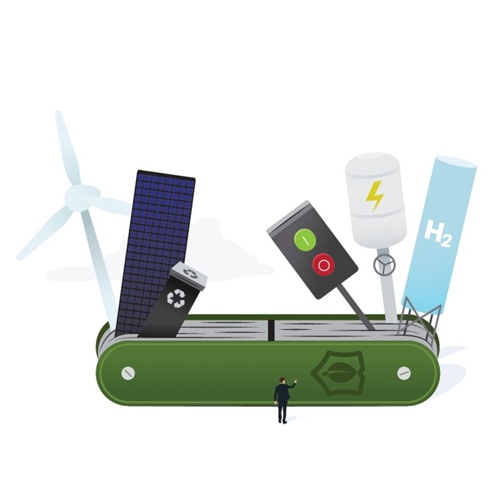
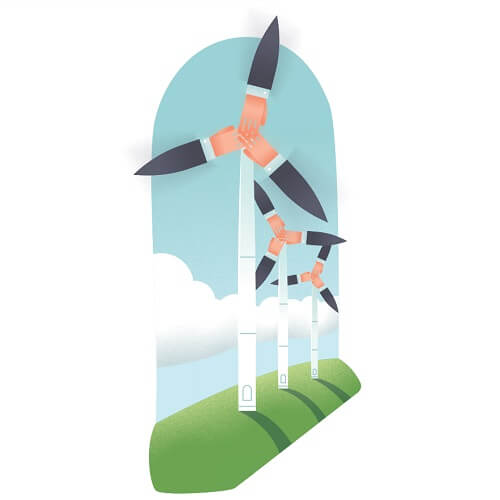
The energy transition is fully underway, but directors and supervisory board members do not have all their questions answered. How to make an informed choice from the complex range of sustainable alternatives to fossil energy, or, which technological leaps are in fact unavoidable? In the Netherlands, energy company Vattenfall focuses primarily on the shift from fossil fuels to green electricity, utilizing various technological solutions to assist industrial companies in becoming more sustainable. The solution lies in a combination of flexible energy use and a differentiated approach, write Boudewijn Tjeertes and Maurice Vlek.
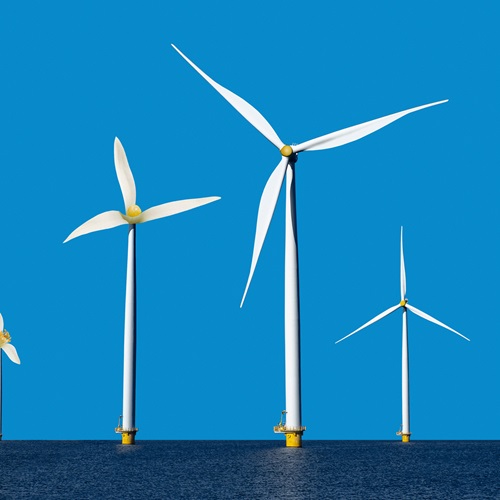
Read moreOffshore wind energy is the primary source of large-scale, sustainable electricity for the Netherlands, forming the backbone of the energy transition. However, the deployment of offshore wind energy is at risk of stalling due to rising costs, high interest rates and a lagging demand for sustainably produced electricity. This threatens the country's decarbonization efforts. To overcome this deadlock, a detailed roadmap for electrification and an adjustment to the offshore wind energy rollout are urgently needed, says Ireen Geerbex, Director of Market Development NL Offshore Wind at Vattenfall.
Read moreTrust and cooperation are the real success factors of the energy transition – and perhaps even more decisive than technology or money. So argues Marco Bosman, Director of Public and Regulatory Affairs Netherlands at Vattenfall.
Read moreFossil-free energy is the future, but the necessary electrification is going much too slowly. This is why we need an electrification revolution. The government has to take the necessary action now, and companies will need to get on board with the same sense of urgency.
Read more
Industrial sustainability requires a differentiated approach
The energy transition is fully underway, but directors and supervisory board members do not have all their questions answered. How to make an informed choice from the complex range of sustainable alternatives to fossil energy, or, which technological leaps are in fact unavoidable? In the Netherlands, energy company Vattenfall focuses primarily on the shift from fossil fuels to green electricity, utilizing various technological solutions to assist industrial companies in becoming more sustainable. The solution lies in a combination of flexible energy use and a differentiated approach, write Boudewijn Tjeertes and Maurice Vlek.
Read more
How Offshore Wind Farms can become Attractive Again
Offshore wind energy is the primary source of large-scale, sustainable electricity for the Netherlands, forming the backbone of the energy transition. However, the deployment of offshore wind energy is at risk of stalling due to rising costs, high interest rates and a lagging demand for sustainably produced electricity. This threatens the country's decarbonization efforts. To overcome this deadlock, a detailed roadmap for electrification and an adjustment to the offshore wind energy rollout are urgently needed, says Ireen Geerbex, Director of Market Development NL Offshore Wind at Vattenfall.
Read more
Trust And Cooperation As Building Blocks Of The Energy Transition
Trust and cooperation are the real success factors of the energy transition – and perhaps even more decisive than technology or money. So argues Marco Bosman, Director of Public and Regulatory Affairs Netherlands at Vattenfall.
Read more
Time for an Electrification Revolution
Fossil-free energy is the future, but the necessary electrification is going much too slowly. This is why we need an electrification revolution. The government has to take the necessary action now, and companies will need to get on board with the same sense of urgency.
Read moreRelated themes
ESG