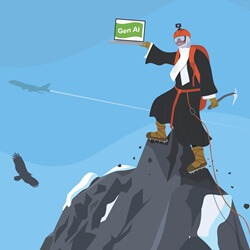
Digital Transformation
Disruption: you could call it the revenge of digitalization. Those of us who lived through the dot-com era around the turn of the century may remember how stock prices skyrocketed due to the combined promise of digitalization and the internet. The internet was expected to lead to entirely new business models and rapidly transform entire industries. The business establishment stood by and watched. Working with a personal computer (PC) in the office, emailing instead of faxing or calling—that was one thing, a bit of online business development was just about acceptable, but an entirely new business model or a new strategy solely because of the internet? I didn’t think so!
That was back then: the days of slow dial-up internet, exponentially less computing power, memory chips, and so on. The internet hype came and went. With the exception of a few companies, such as Google and Amazon, many of the new internet companies went down without a trace. Now we have WiFi and 5G, and above all: extremely powerful computers that can effortlessly handle complex software, often equipped with artificial intelligence (AI) solutions. The dreams of the dot-com era are becoming reality right now. Innovations related to mobile and social media are the order of the day. Sales are increasingly happening through websites and social media rather than through brick-and-mortar stores. Entirely new strategies are leading to new business models, which in turn are leading to changing value chains. An internet platform like Marktplaats has transformed numerous sectors. The large corporations that stood on the sidelines, almost bored, at the turn of the century, are now themselves forced to undergo a digital transformation. That disruption doesn’t stop where we are now. Major themes such as climate change, the focus on sustainability, the stakeholder model, social impact, and the rise of purpose-driven organizations demand that our brightest minds focus on even faster digitization, digital innovations, and software solutions.Digitalization is also revolutionizing the business world. Agile working, agile organizations, international decentralization, the rise of all kinds of robotics, and automation in general: none of this would be possible without digitalization—and especially the use of data, which is made available via cloud applications to anyone who needs it.
The rise of GenAI has accelerated the digital transformation. Organizations must adapt to this development. This, too, will shift business models and transform sectors beyond recognition. Add to that the enormous geopolitical influence that social media increasingly wields, and we can conclude that the digital transformation is far from complete.


Three experts on AI in the healthcare sector
Artificial intelligence is rapidly evolving into a strategic governance issue for the healthcare sector. How do you capitalize on the opportunities offered by AI without losing sight of the human element, solidarity, and the trust of patients and professionals? The three experts from the healthcare sector at our roundtable agree on one thing: good governance in this new era does not start with technology, but with leadership. ‘It is not the technology, but the value that AI delivers that must take center stage.’
Read more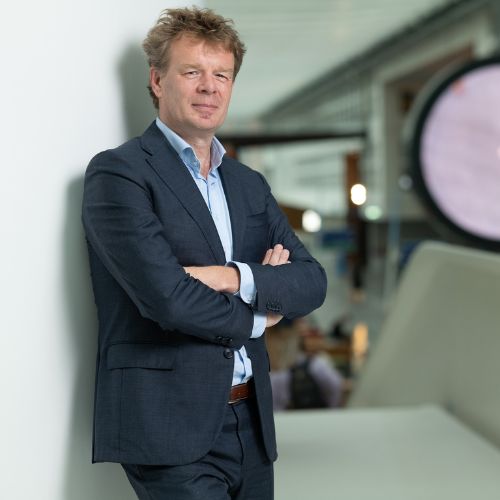
Who will in fact decide what the future of healthcare looks like? AI and digital technology are gaining significant ground in hospitals. According to Stefan Sleijfer, the most important question is not what is technically possible, but what is socially desirable. He navigates the balance between innovation and the human element every day. ‘Sometimes I have to stand my ground. Or say a firm no.’
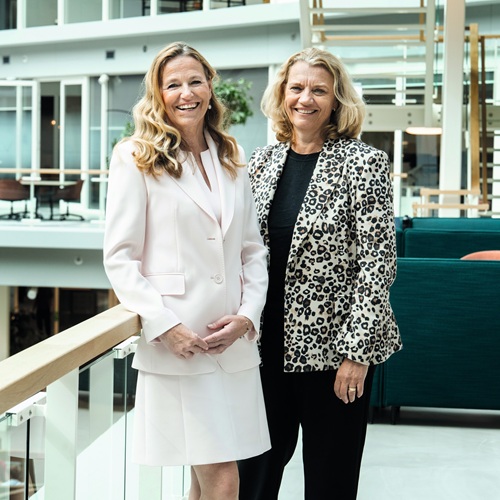
As a CEO, how do you deal with AI? The days when AI was the sole responsibility of IT seem largely over, but does that mean that you, as CEO, should take charge of the issue yourself? Willemien Terpstra, CEO of public grid operator Gasunie, and Annette Mosman, CEO of pension administrator APG, believe so. ‘It is an operating model, issue, and therefore by definition, a CEO issue,’ is their shared opinion.
Stefan Sleijfer (Erasmus MC): ‘AI must contribute to better care’
Who will in fact decide what the future of healthcare looks like? AI and digital technology are gaining significant ground in hospitals. According to Stefan Sleijfer, the most important question is not what is technically possible, but what is socially desirable. He navigates the balance between innovation and the human element every day. ‘Sometimes I have to stand my ground. Or say a firm no.’
Annette Mosman and Willemien Terpstra: ‘Do not let AI run away with you’
As a CEO, how do you deal with AI? The days when AI was the sole responsibility of IT seem largely over, but does that mean that you, as CEO, should take charge of the issue yourself? Willemien Terpstra, CEO of public grid operator Gasunie, and Annette Mosman, CEO of pension administrator APG, believe so. ‘It is an operating model, issue, and therefore by definition, a CEO issue,’ is their shared opinion.
.jpg)

.jpg)

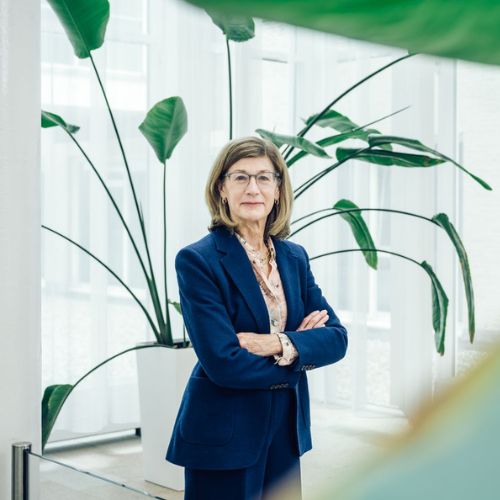
What must organizations do to survive in the digital age? This question is explored in a series of articles in Management Scope by Hilde van der Baan and Gijs Linse of A&O Shearman. This time, they interview Roos Slegers, philosopher, ethicist, organizational consultant, and assistant professor at Tilburg University. She foresees problems in the field of innovation. ‘GenAI does not offer anything surprising or niche. For that you need old-fashioned human virtues – such as courage and the willingness to ask critical questions.’
The security requirements for network and information systems in essential sectors are becoming stricter. Where compliance previously felt like a technical or legal exercise, the responsibility now undeniably lies with management. What impact will the NIS2 directive have? And how can organizations ensure resilience and continuity? We ask three insiders who are familiar with the risks of cybercrime. According to them, NIS2 is not a checklist, but an opportunity to structurally embed resilience, responsibility, and strategic leadership in business operations. ‘Do not have the focus on compliance.’
The first CIO in Shell's history to report directly to the CEO talks about the crucial role of digitization in the energy transition, the impact of AI, and why humility is essential for success. Robbert van Rutten: ‘The change in the reporting line recognizes that the impact of technology is undeniable and creates an opportunity to accelerate.’
‘Critical thinking in a world smoothed over by AI’
What must organizations do to survive in the digital age? This question is explored in a series of articles in Management Scope by Hilde van der Baan and Gijs Linse of A&O Shearman. This time, they interview Roos Slegers, philosopher, ethicist, organizational consultant, and assistant professor at Tilburg University. She foresees problems in the field of innovation. ‘GenAI does not offer anything surprising or niche. For that you need old-fashioned human virtues – such as courage and the willingness to ask critical questions.’
‘NIS2 is an enabler, not a checkbox process’
The security requirements for network and information systems in essential sectors are becoming stricter. Where compliance previously felt like a technical or legal exercise, the responsibility now undeniably lies with management. What impact will the NIS2 directive have? And how can organizations ensure resilience and continuity? We ask three insiders who are familiar with the risks of cybercrime. According to them, NIS2 is not a checklist, but an opportunity to structurally embed resilience, responsibility, and strategic leadership in business operations. ‘Do not have the focus on compliance.’
Robbert van Rutten (Shell): ‘A more flexible and competitive IT organization’
The first CIO in Shell's history to report directly to the CEO talks about the crucial role of digitization in the energy transition, the impact of AI, and why humility is essential for success. Robbert van Rutten: ‘The change in the reporting line recognizes that the impact of technology is undeniable and creates an opportunity to accelerate.’
Vincent Tuk (Eneco): ‘Data is key in this new energy world’
For energy supplier Eneco, data forms the basis for both commercial activities and the pursuit of a more sustainable transition. Chief Technology Officer Vincent Tuk and his team of six hundred employees play a crucial role in the organization’s tech-first ambitions. ‘But non-technicians need to be equally aware of the possibilities of data and artificial intelligence. Our tech team and our business team are fully integrated.’
Read moreMost read

Vroukje van Oosten Slingeland (ING Group) on AI Applications in Legal
When it comes to generative artificial intelligence (GenAI), the egg of Columbus has not yet been hatched, says Vroukje van Oosten Slingeland, general counsel at ING. The future potential of AI is great, she thinks, also for lawyers: ‘However, human intervention will always be important to steer artificial intelligence in the right direction.’
.jpg)
Bart Leurs (Rabobank): ‘We Implemented a Temporary AI Stop’
Data, financial and non-financial, are essential for Rabobank. Chief Innovation and Technology Officer Bart Leurs talks enthusiastically about the opportunities associated with the Artificial Intelligence era and how he is preparing the organization on this front.
Raymond van Eck (Fairphone): ‘We are done being the exception’

Entrepreneurship and survival in the digital age
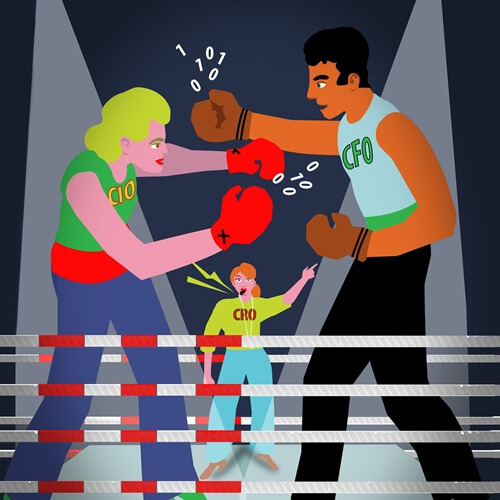
Digital resilience in three steps
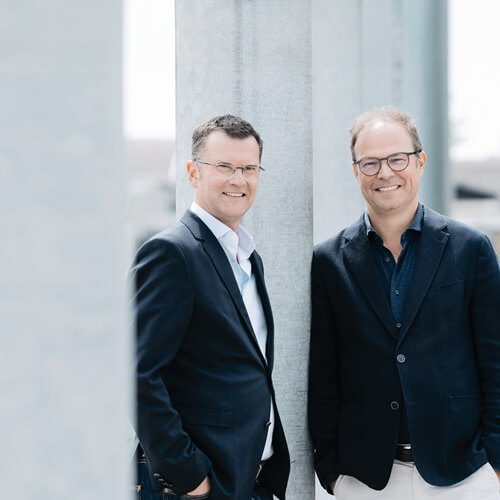
Process intelligence in the energy transition
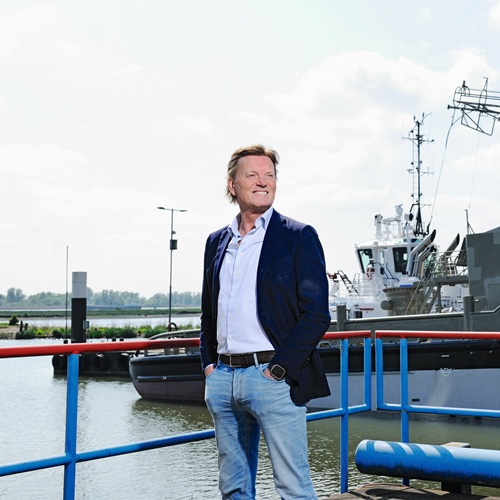
Aart Rupert (Damen) on the battle between IT and craftsmanship

Europe’s path to digital sovereignty

Chantal Vergouw (KPN): ‘Still much to be gained with digital resilience’
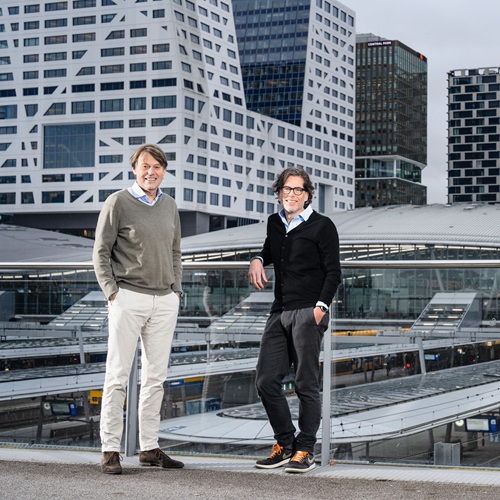

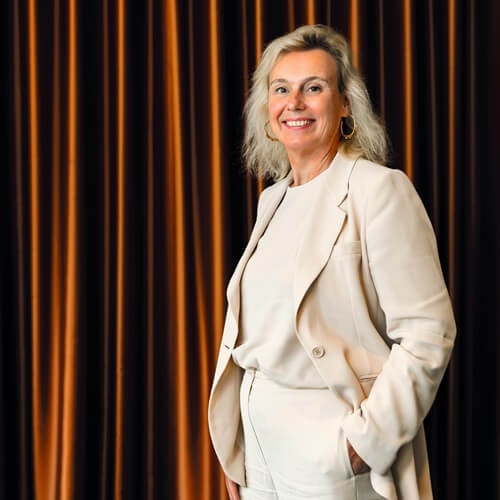


Celonis, the market leader in process mining and process intelligence, is the latest knowledge partner of Management Scope. By collecting data from existing company systems, Celonis provides insights into what is happening within a company, then provides solutions to help teams quantify this value. Regional Vice President Benelux Christian Tabois: ‘Through placing a digital layer above existing systems and integrating all online data into it, we can see exactly how processes are running and it becomes possible to identify the exact cause of problems.’
When Ikea was forced to close its stores during the pandemic, its digital transformation progressed rapidly. CDO (Chief Digital Officer) Kevin Gamble moved over from Canada to lead the process in the Netherlands. ‘With 29 country digital managers in as many countries, we exchange knowledge, insights, and ideas. Call it crowdsourcing on a scale of 29.’
Christian Tabois (Celonis): ‘Process Intelligence Brings Projects to Maturity and Value’
Celonis, the market leader in process mining and process intelligence, is the latest knowledge partner of Management Scope. By collecting data from existing company systems, Celonis provides insights into what is happening within a company, then provides solutions to help teams quantify this value. Regional Vice President Benelux Christian Tabois: ‘Through placing a digital layer above existing systems and integrating all online data into it, we can see exactly how processes are running and it becomes possible to identify the exact cause of problems.’
Kevin Gamble (IKEA) on Digitalization: ‘More Time for Value-Adding Work’
When Ikea was forced to close its stores during the pandemic, its digital transformation progressed rapidly. CDO (Chief Digital Officer) Kevin Gamble moved over from Canada to lead the process in the Netherlands. ‘With 29 country digital managers in as many countries, we exchange knowledge, insights, and ideas. Call it crowdsourcing on a scale of 29.’

How to Increase Involvement During the Digital Transformation

A Healthy Sense of Paranoia Can Only Benefit the Digitization Revolution
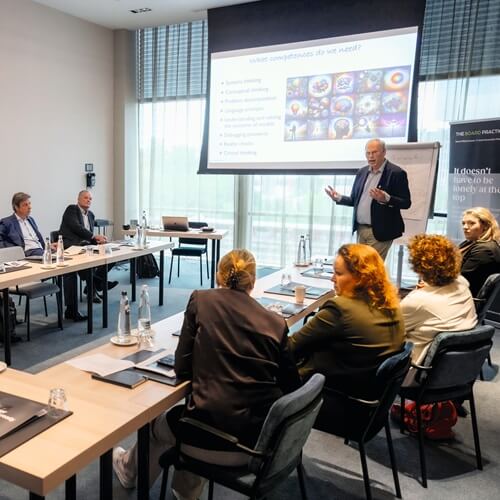
Masterclass AI: 'Clean Data Are the New Gold'
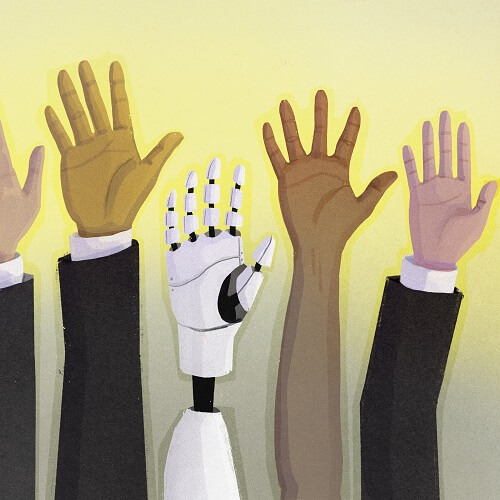
Masterclass AI: ‘A Huge Impact on the Corporate World’
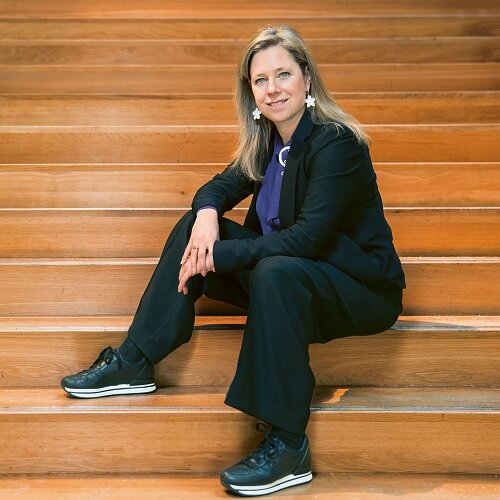
Vroukje van Oosten Slingeland (ING Group) on AI Applications in Legal