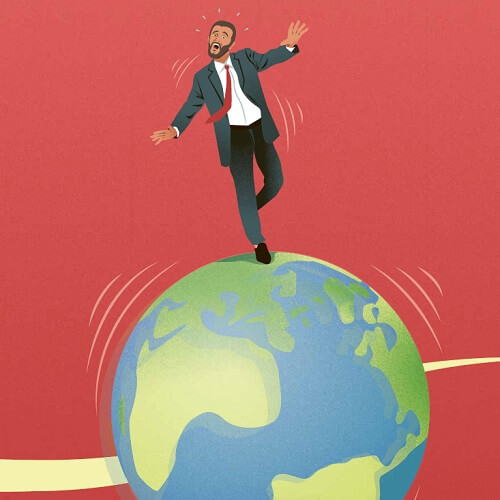
Geopolitics
Geopolitics is not an abstract risk; it is a direct boardroom issue. Many (Dutch) CEOs consider geopolitical uncertainty to be a top threat to their organization, and rightly so. Trade conflicts, sanctions, regional instability, and new power blocs affect supply chains, access to markets, and even the reputation of companies. Even companies that operate primarily within the Netherlands are experiencing the pressure of price volatility, delivery delays, and changing regulations. Geopolitics therefore requires structural anchoring in strategy and governance.
This means not only anticipating risks such as export restrictions or exchange rate fluctuations, but also identifying new market opportunities and partnerships. It is crucial that executives look not only at the immediate operational consequences, but also at structural trends. The shift of economic power to Asia, the growth of technological sovereignty, and the changing role of international institutions have long-term impacts. Companies that recognize these patterns and translate them into strategic choices increase their resilience and competitive position.This requires a combination of long-term vision and short-cycle management, with plans regularly being reassessed based on the latest geopolitical developments. Changing geopolitics also offers opportunities. When trade routes shift, new regional markets emerge. And when governments pursue strategic autonomy, this can lead to subsidies and incentive programs for local production or technology development.
Managers should not only seek to manage geopolitics, but also use it as a source of innovation and growth. Strategic flexibility is becoming a core competency.
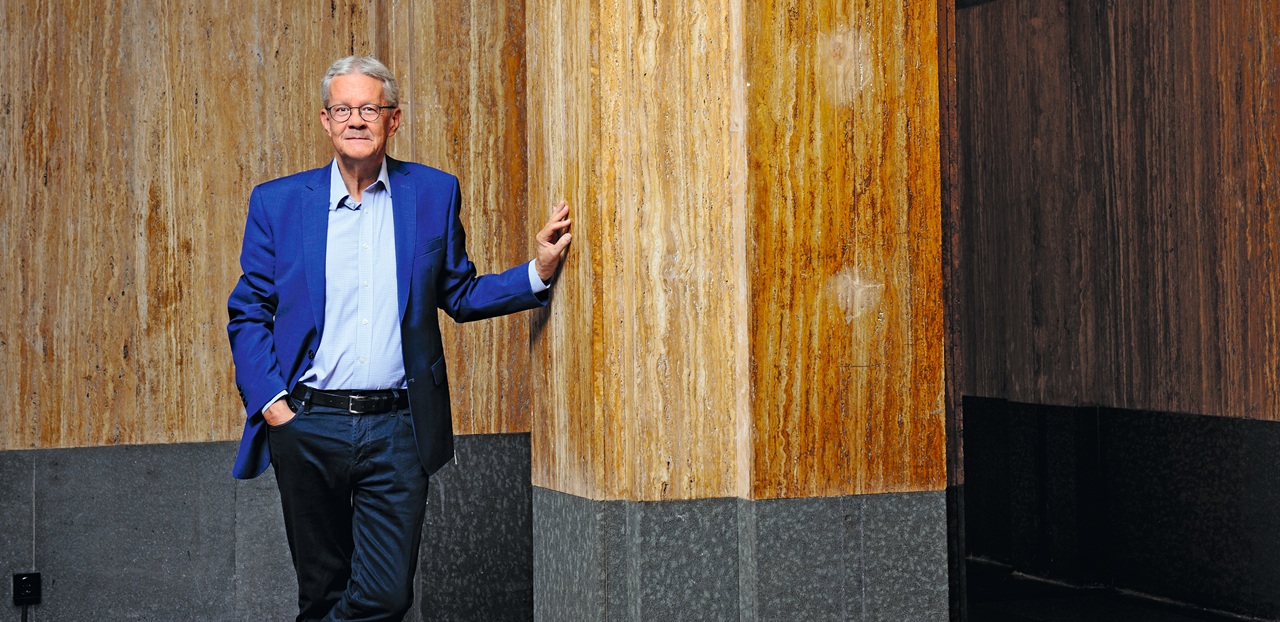
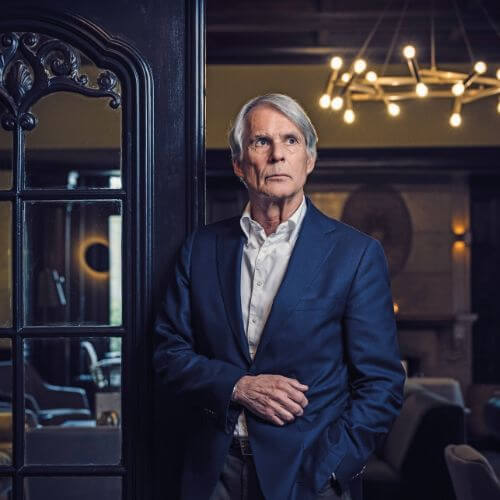
Ron Keller: ‘The geopolitical reset will take decades’
Former top diplomat Ron Keller has enormous geopolitical and financial-economic expertise. He sees a way out of the crisis the European continent is facing by making Europe more decisive, secure, and prosperous. That will not happen quickly, nor without a struggle. Keller has a message for entrepreneurs and investors: ‘The geopolitical reset will take decades. Pay the necessary attention to the risks and focus on building resilience.’
Read more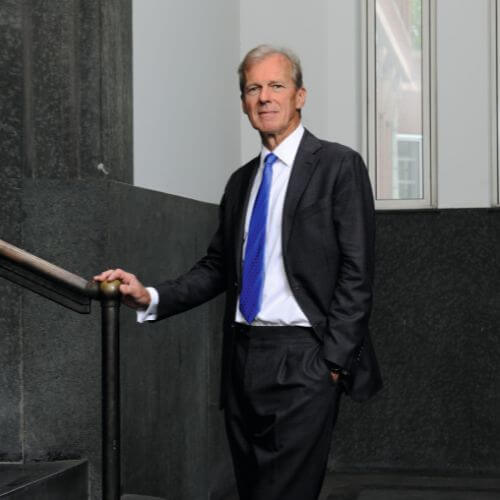
.jpg)
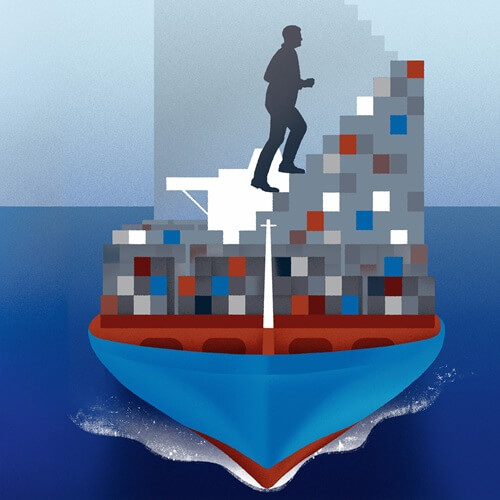
As Special Representative for the Raw Materials Strategy, Allard Castelein advises the government and the business community on how to make Dutch supply chains more resilient. To begin with, this requires increased awareness. ‘I tell the story and raise awareness among stakeholders. But the sense of urgency should be much greater. This transformation will need an intervention for it to have a chance of success. The government must not only facilitate the business community but take on an active role itself.’
How to lead organizations responsible for the future-proofing of critical infrastructure, while simultaneously scaling up, digitizing, and preparing for crises? The experts at our roundtable agree that leadership in these times requires a fundamentally different mindset. ‘We must act much more as an ecosystem and collaborate with partners in an open and constructive manner.’
Allard Castelein: ‘The path to greater resilience will be long’
As Special Representative for the Raw Materials Strategy, Allard Castelein advises the government and the business community on how to make Dutch supply chains more resilient. To begin with, this requires increased awareness. ‘I tell the story and raise awareness among stakeholders. But the sense of urgency should be much greater. This transformation will need an intervention for it to have a chance of success. The government must not only facilitate the business community but take on an active role itself.’
Leadership in turbulent times requires collaboration
How to lead organizations responsible for the future-proofing of critical infrastructure, while simultaneously scaling up, digitizing, and preparing for crises? The experts at our roundtable agree that leadership in these times requires a fundamentally different mindset. ‘We must act much more as an ecosystem and collaborate with partners in an open and constructive manner.’
.jpg)
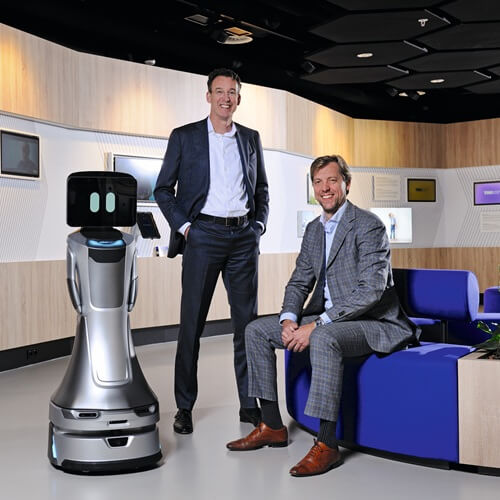
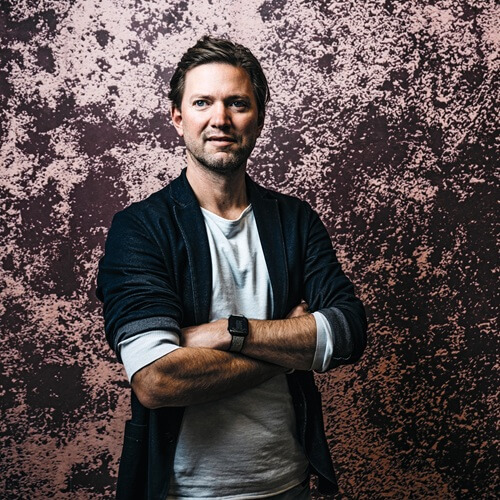
The Draghi report puts Europe's competitive position in sharp focus. For the Netherlands, it presents both opportunities and challenges. How can we strengthen our country in an increasingly competitive world? At the request of the House of Representatives, TNO translated the findings from the Draghi report to the Dutch situation. ‘Dutch Competitiveness in the Light of the Draghi Report’ outlines concrete recommendations. We sat down with Marc Zegveld, managing director of the ICT Strategy & Policy unit, and Thijmen van Bree, senior researcher at TNO. ‘We must be in the game to win, not just to avoid losing. That requires a change in mentality.’
Evolving from a spin-off from Delft University of Technology to a Champions League player in the global solar industry, Eternal Sun, a specialist in solar simulation for testing solar panels, proved that Europe can indeed scale up technologically. But CEO Florian van Rijn of Alkemade warns that without a complete industrial ecosystem, strategic autonomy remains a paper tiger. ‘Give concrete form to the most complex pillar of the Draghi report: strategic autonomy.’
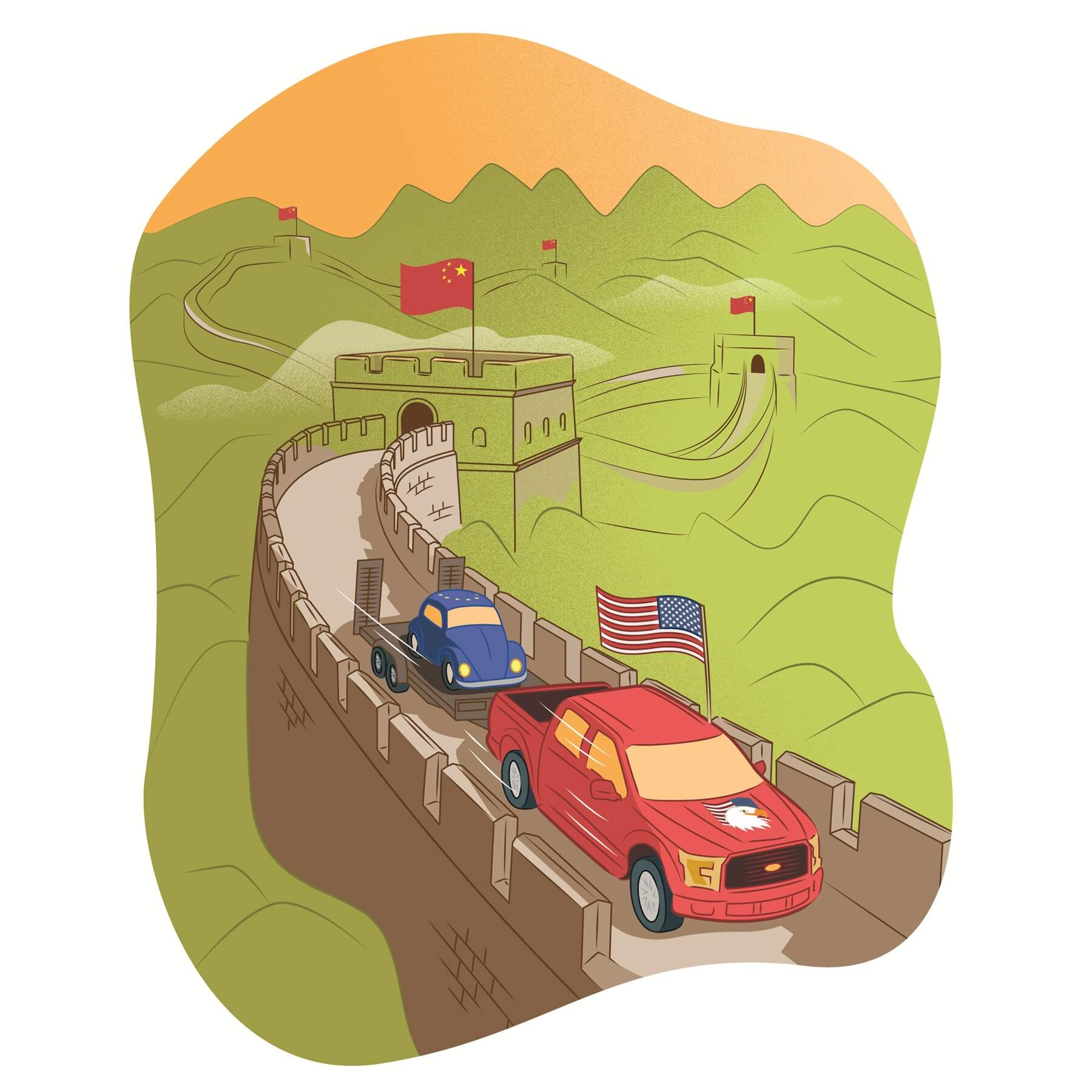
Europe is still being carried along by an American agenda that is not its own, with the result that European companies are losing market share, missing opportunities, and being surprised by Chinese competitors they had underestimated. From Philips' loss of its MRI dominance to ASML's thwarted export restrictions: Europe is paying the price for a lack of an own vision. It is time for a change of course, write sinologist Valérie Hoeks and Sanne van der Lugt of the Dutch Advisory Council on International Affairs.
Dutch competitiveness: ‘We must innovate to win’
The Draghi report puts Europe's competitive position in sharp focus. For the Netherlands, it presents both opportunities and challenges. How can we strengthen our country in an increasingly competitive world? At the request of the House of Representatives, TNO translated the findings from the Draghi report to the Dutch situation. ‘Dutch Competitiveness in the Light of the Draghi Report’ outlines concrete recommendations. We sat down with Marc Zegveld, managing director of the ICT Strategy & Policy unit, and Thijmen van Bree, senior researcher at TNO. ‘We must be in the game to win, not just to avoid losing. That requires a change in mentality.’
Florian van Rijn van Alkemade: ‘One unicorn does not mean a successful industry’
Evolving from a spin-off from Delft University of Technology to a Champions League player in the global solar industry, Eternal Sun, a specialist in solar simulation for testing solar panels, proved that Europe can indeed scale up technologically. But CEO Florian van Rijn of Alkemade warns that without a complete industrial ecosystem, strategic autonomy remains a paper tiger. ‘Give concrete form to the most complex pillar of the Draghi report: strategic autonomy.’
Europe must chart its own course on China
Europe is still being carried along by an American agenda that is not its own, with the result that European companies are losing market share, missing opportunities, and being surprised by Chinese competitors they had underestimated. From Philips' loss of its MRI dominance to ASML's thwarted export restrictions: Europe is paying the price for a lack of an own vision. It is time for a change of course, write sinologist Valérie Hoeks and Sanne van der Lugt of the Dutch Advisory Council on International Affairs.
Resilience as a public-private matter
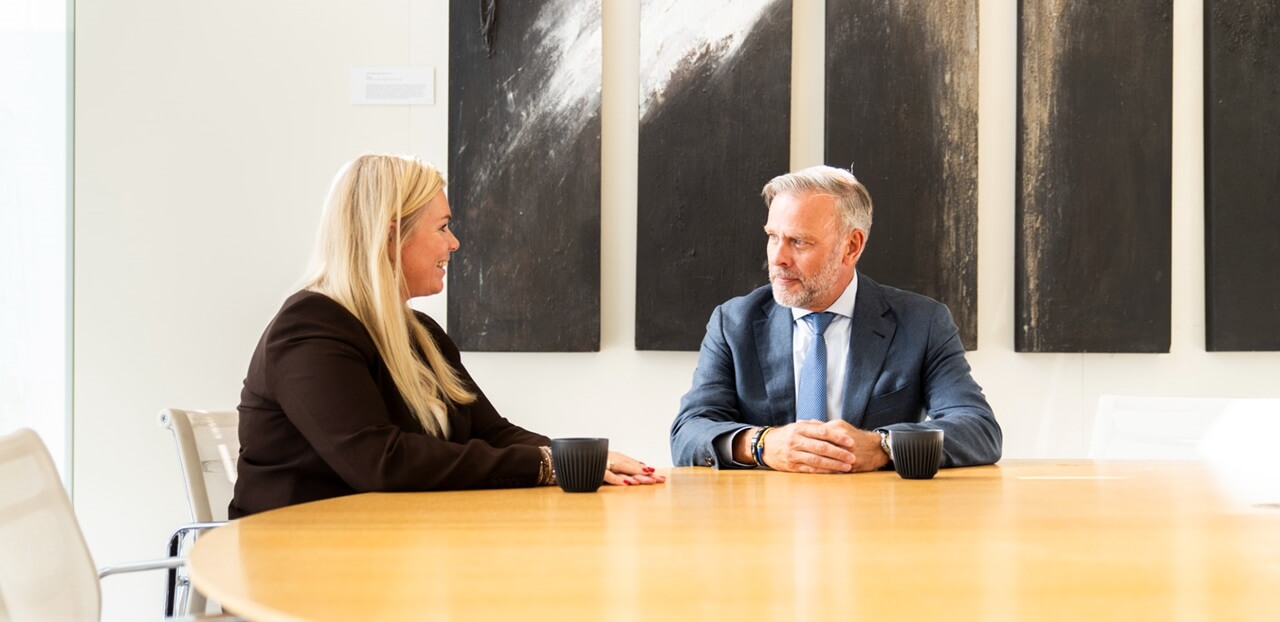
Political developments on a global scale are happening rapidly, and not all in a favorable direction. To adapt is essential, but outdated thinking on feasibility and efficiency hinders bolstering our resilience. Rob Bauer, former chairman of the NATO Military Committee and currently an Edge Fellow at Deloitte, emphasizes, together with Deloitte partner Kim Vrielink, that the current security crisis requires enormous effort from both government and the business community. ‘Societal resilience does not depend solely on military strength.’
Read more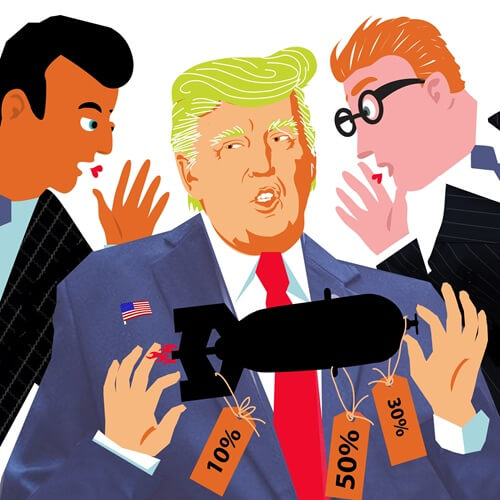
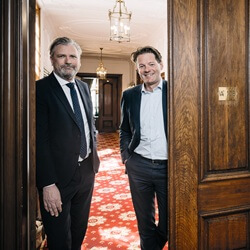
The recent NATO summit in The Hague was a resounding success. Unity within the organization was preserved, largely because NATO chief Mark Rutte handled US President Donald Trump with kid gloves. This is good news for Dutch defense companies that export to the United States, although possible new trade barriers remain a risk. The question, therefore, is who can negotiate with Trump on behalf of Europe to prevent a costly trade war.
The Ministry of Defense is facing an unprecedented scale-up. How is the organisation doing it, what are the challenges they face and what is the role of the business community? Sjoerd van der Smissen of Deloitte says: ‘The business community needs to take on its role.’ He is in conversation with Secretary General of Defense Maarten Schurink. ‘Businesses can be of help to both society and Defense.’
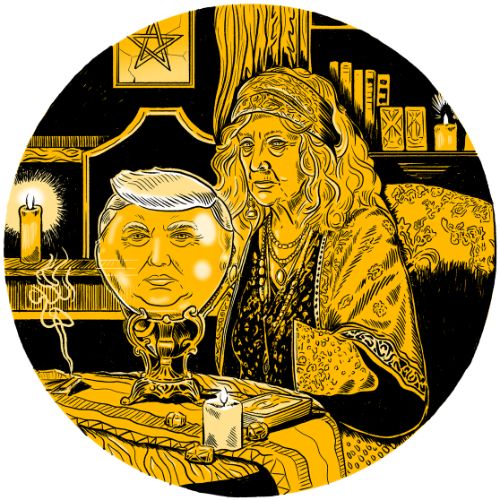
Urgently wanted: a European Trump whisperer
The recent NATO summit in The Hague was a resounding success. Unity within the organization was preserved, largely because NATO chief Mark Rutte handled US President Donald Trump with kid gloves. This is good news for Dutch defense companies that export to the United States, although possible new trade barriers remain a risk. The question, therefore, is who can negotiate with Trump on behalf of Europe to prevent a costly trade war.
Collaboration between defense and industry: ‘Innovate and scale up’
The Ministry of Defense is facing an unprecedented scale-up. How is the organisation doing it, what are the challenges they face and what is the role of the business community? Sjoerd van der Smissen of Deloitte says: ‘The business community needs to take on its role.’ He is in conversation with Secretary General of Defense Maarten Schurink. ‘Businesses can be of help to both society and Defense.’
Trading with the US remains possible despite turbulent times
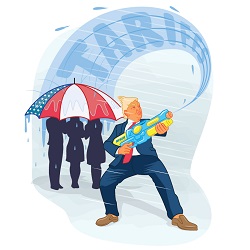
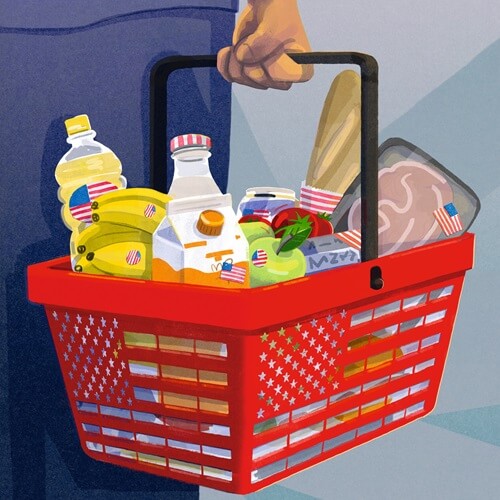
Netherlands Be Prepared: Trump’s choice is America First