
ESG
As a corporate priority, ESG (the focus on environmental, social, and governance aspects) has become indispensable. But the concept is by no means new. Managers, right up to the level of the board of directors, are increasingly being forced to consider the social impact of their companies. The idea is that companies exist not only to make a profit. Another important consideration has emerged: what is the impact of business operations—for example, on local communities, on stakeholders such as employees, customers, and suppliers, and on the environment. Taking it a step further, companies are increasingly being asked to serve a social purpose. The term “purpose” is often used in this context. In other words, the company must have social value.
Corporate Social Responsibility in the Netherlands
The focus on ESG didn’t just suddenly appear in boardrooms. The millennial generation is deeply attuned to these issues and is thus compelling companies to rethink their approach. Nor did millennials simply pull these issues out of thin air. The current broad debate has deep historical roots. The most successful large corporations were already reflecting on their social responsibilities decades ago. For example, during the Industrial Revolution in the Netherlands, Philips and Heineken took care of their employees by providing them with housing. Entire neighborhoods in Amsterdam (Heineken) and Eindhoven (Philips) were built this way.
Corporate Social Responsibility in an International Context
More recently, on June 23, 1999, the House of Representatives organized a debate titled: “Corporate Social Responsibility in an International Context.” The discussion centered primarily on whether the government should play a role in compelling companies to engage in corporate social responsibility (CSR), or whether this was the responsibility of companies—and the government primarily had a role in the international debate on impact. A number of terms were already associated with CSR at that time: corruption, the environment, working conditions, and so on. SMEs usually talked about sustainable business practices, while large corporations opted for CSR. In the years that followed, CSR would be explored in depth across many different areas. With the Corporate Governance Code for good governance, the Netherlands adopted a code of conduct (self-regulation) for publicly traded companies in 2003. But consider, for example, the Climate Agreement, which was established through consultation between companies, interest groups, and the government. Internationally, the Organization for Economic Cooperation and Development (OECD) introduced ISO 26000 in 2010: an international standard for corporate social responsibility, complete with practical guidelines. Legislators worldwide also introduced stricter laws regarding corruption, the environment, employee exploitation, and so on.
Sustainable business no longer on the agenda
The thinking behind CSR ran parallel to the shareholder model. The shareholder model assumes that, in the end, the stock price always reflects the long-term behavior of corporate leaders. In other words: if directors act in the best interests of their customers, as well as their employees and other stakeholders, over the long term, this will be reflected in the stock price. However, this line of thinking would prove to be flawed. First of all, because not all directors always have the best interests of the rest of the world at heart. But also, and above all, CSR would often become more of a “must” for companies than a genuinely embraced management priority. Many companies appointed a chief sustainability officer, or similar, whose job was to ensure the company didn’t go off the rails. And that was the end of it. What’s more: as soon as the economy faltered or shareholders grumbled, a topic like sustainable business often disappeared entirely from the agenda.
The Introduction of the Sustainable Development Goals
That has changed in recent years. This shift was driven by societal pressure, as described above, but there is more to it. The United Nations perfectly captured the spirit of the times and introduced the United Nations Sustainable Development Goals (SDGs) in 2015. In English, this translates to Sustainable Development Goals. The SDGs are social goals such as zero hunger, no poverty, and clean water and sanitation for all. The goal is to have implemented this agenda by 2030. These SDGs have sparked a revolution in the business world. Whereas CSR was rarely, if ever, on the corporate agenda, the United Nations’ goals are so ambitious that large companies can perfectly align their strategy (and nowadays often their mission as well) with them. The shareholder mindset is increasingly being replaced by a strategy based on long-term value creation. Significant strides are now being made in implementation. Social impact and sustainable business practices are now high on the agenda. Think of trends such as integrated reporting, an ESG policy, or sustainable innovations.
CSRD and Reporting on ESG Targets
Reporting on ESG targets is not optional. Companies are increasingly being required to do so. As early as the 1990s, some companies began publishing environmental or sustainability reports. In 2022, the European Corporate Sustainability Reporting Directive (CSRD) was enacted, which took effect in 2024. However, under pressure from significant deregulation in the United States, a legislative package was adopted by the EU in 2025 to simplify European rules and thereby boost competition with the U.S. A “Stop-the-clock” proposal was also submitted to postpone the implementation of upcoming phases of the CSRD by two years. And so, even ESG policy is not immune to geopolitical pressure.
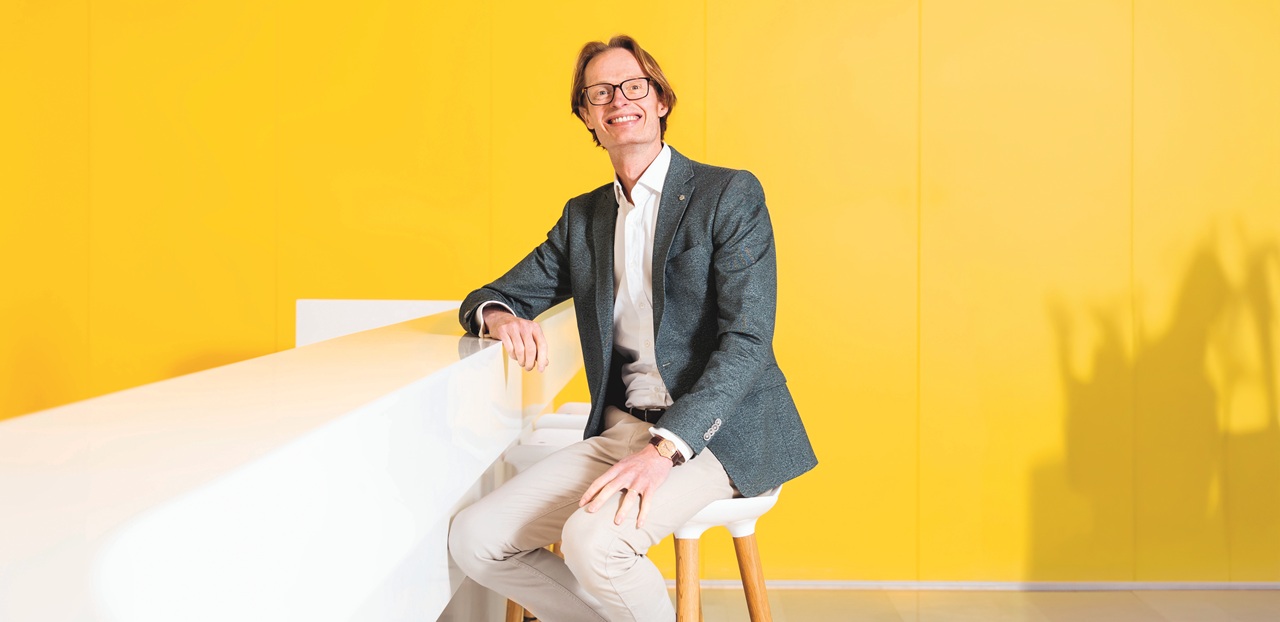
Roderick Glerum (Vattenfall): ‘Don't wait to invest in the energy transition’
To Roderick Glerum, director of the business market at Vattenfall, the fact that the energy transition in the Netherlands is not progressing as quickly as desired or hoped for is no reason for pessimism. He is convinced that even small steps will ultimately make a difference. ‘We are innovative and creative enough to find a solution to every problem.’
Read more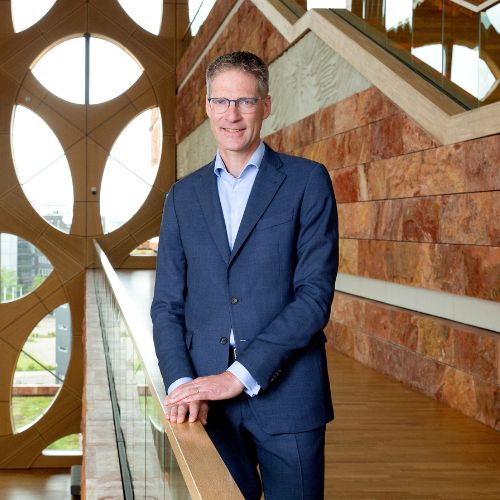
Against the backdrop of economic and geopolitical uncertainty, Marcel Beukeboom, general director of Naturalis, advocates for greater attention to nature’s resilience. Because the loss of biodiversity poses a major threat to our society and more amplified influence is needed to protect it, he is seeking strategic collaboration with market players. ‘It is a shared problem that we must tackle together.’
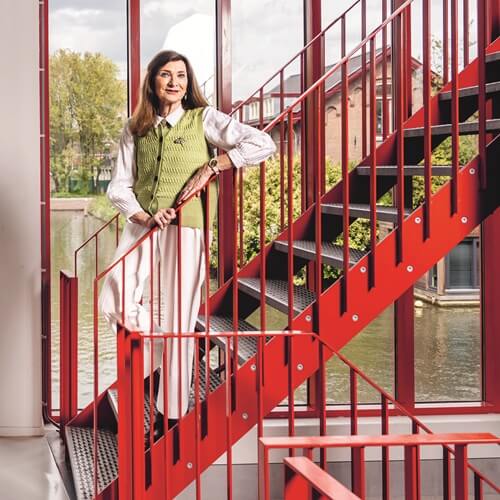
We are on our way to a new order: innovation outside of the established structures, driven by people who no longer want to wait for The Hague and who see that the narrative can take on a different meaning by taking action themselves. That is the firm conviction of emeritus professor and multi-talent Annemieke Roobeek. ‘Decisions are no longer made by the lucky few, but together with the lucky many. Both within society and within companies, this leads to innovation and a promising perspective.’
Marcel Beukeboom (Naturalis): ‘Our natural environment is in crisis’
Against the backdrop of economic and geopolitical uncertainty, Marcel Beukeboom, general director of Naturalis, advocates for greater attention to nature’s resilience. Because the loss of biodiversity poses a major threat to our society and more amplified influence is needed to protect it, he is seeking strategic collaboration with market players. ‘It is a shared problem that we must tackle together.’
Annemieke Roobeek: ‘Democratization, anchoring, and imagination’
We are on our way to a new order: innovation outside of the established structures, driven by people who no longer want to wait for The Hague and who see that the narrative can take on a different meaning by taking action themselves. That is the firm conviction of emeritus professor and multi-talent Annemieke Roobeek. ‘Decisions are no longer made by the lucky few, but together with the lucky many. Both within society and within companies, this leads to innovation and a promising perspective.’
.jpg)
.jpg)



In the report Life science and healthcare predictions 2030, Deloitte, based on ten trends, sets out what the Dutch healthcare system could look like in 2030. Reflecting on the Dutch healthcare sector, it proves to be confronted with challenges including, but not limited to, rising costs, staff shortages and increasing health differences between population groups. It has become crucial to organize and accelerate the transition to a future-proof and resilient healthcare system.
If you ask Gemini or any other AI smart guy how to determine the value of a company, it will immediately start talking about intrinsic value, market value, financial performance, discounted cash flow, liquidation value (some CFOs jump out of their chairs enthusiastically when they read this). But is that really logical? Is money the unique value-determining factor? What is the value of the fact that your ten thousand employees are deeply happy with your employership? And the thousand who are sitting at home, burned out? Does the product turnover extending millions' lives have the same value as the turnover of a beer manufacturer? What is the value of the climate damage that you do or do not prevent? And what is the social value of the fact that a company is extremely good at tax avoidance?
The world will, by 2070, have almost 10 billion people who will need to be fed, without placing an irresponsible burden on the environment. The technological and economic possibilities are available – but now is the time to translate them into concrete action. Deloitte's new report, ‘Turning point: Feeding the world sustainably’, offers a roadmap to this end.
From care to health
In the report Life science and healthcare predictions 2030, Deloitte, based on ten trends, sets out what the Dutch healthcare system could look like in 2030. Reflecting on the Dutch healthcare sector, it proves to be confronted with challenges including, but not limited to, rising costs, staff shortages and increasing health differences between population groups. It has become crucial to organize and accelerate the transition to a future-proof and resilient healthcare system.
How futureproof is your organization?
If you ask Gemini or any other AI smart guy how to determine the value of a company, it will immediately start talking about intrinsic value, market value, financial performance, discounted cash flow, liquidation value (some CFOs jump out of their chairs enthusiastically when they read this). But is that really logical? Is money the unique value-determining factor? What is the value of the fact that your ten thousand employees are deeply happy with your employership? And the thousand who are sitting at home, burned out? Does the product turnover extending millions' lives have the same value as the turnover of a beer manufacturer? What is the value of the climate damage that you do or do not prevent? And what is the social value of the fact that a company is extremely good at tax avoidance?
Feeding 10 billion people sustainably: it is possible
The world will, by 2070, have almost 10 billion people who will need to be fed, without placing an irresponsible burden on the environment. The technological and economic possibilities are available – but now is the time to translate them into concrete action. Deloitte's new report, ‘Turning point: Feeding the world sustainably’, offers a roadmap to this end.

Embrace discomfort in the boardroom with these seven good practices
The boardroom of the future does not shy away from seemingly unsolvable problems, but rather harness these as opportunities, according to Robert J. Blomme and Josephine de Zwaan of the In-Depth Governance project. Eighty Dutch executives worked together in this project to develop new guidelines for sustainable leadership, with the core message: give discomfort in the boardroom room to breathe. The tension that this creates is the starting point for change.
Read moreMost read
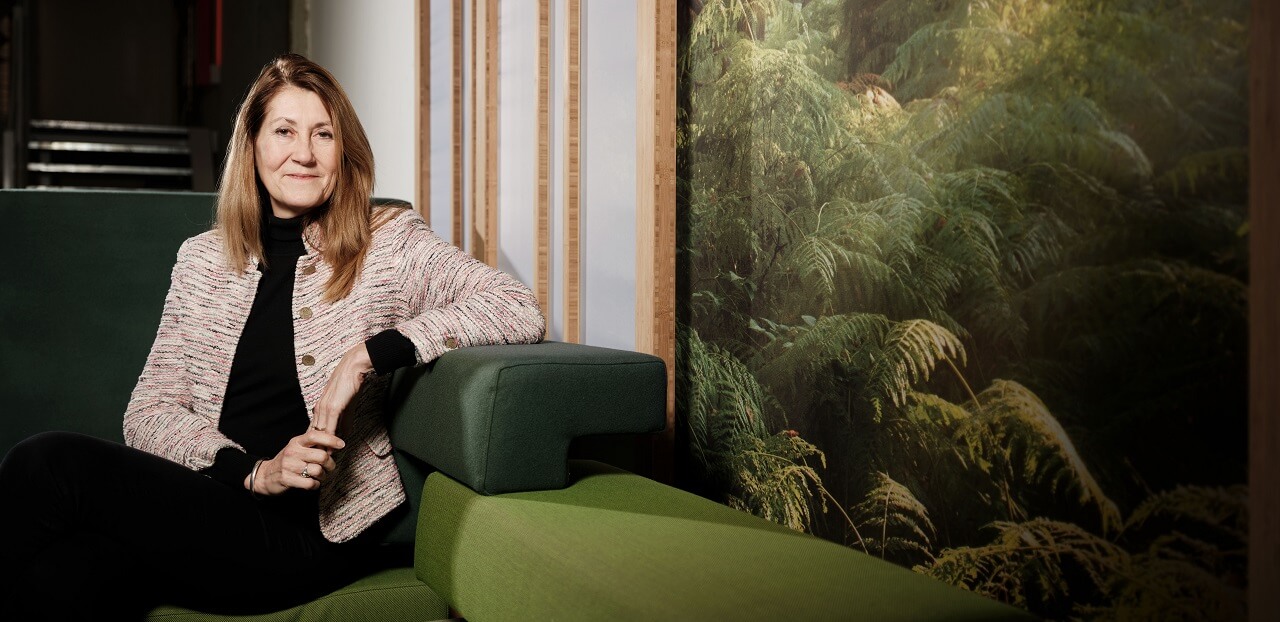
Eline Oudenbroek (Interface): ‘No Relevance Without Sustainability’
Carpet manufacturer Interface has long been well ahead of the beat when it comes to sustainable transformation: the net zero ambition has been traded in for the next ambitious goal. Vice president of supply chain & operations Eline Oudenbroek hopes the industry will ‘walk with them’.
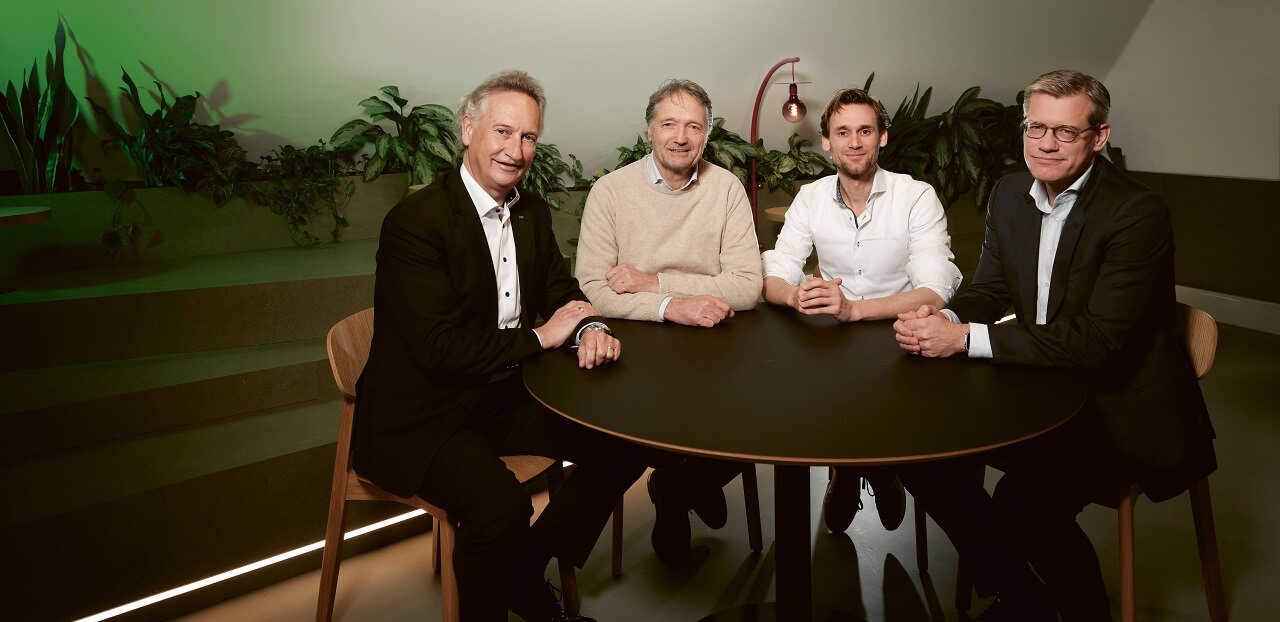
Sustainable Transformation Makes Any Business More Robust
What are the challenges for the manufacturing industry in designing sustainable products? The directors of chipmaker NXP Semiconductors, denim brand MUD Jeans and aircraft manufacturer Maeve Aerospace - all three forerunners in their industries - in conversation about lofty ideals and the sometimes-unruly practice.
Column Pieter Hemels: About Obama, Malala, Warren Edwards, and you


Activist Alert: In 2025, an increase in the likelihood of an activist campaign
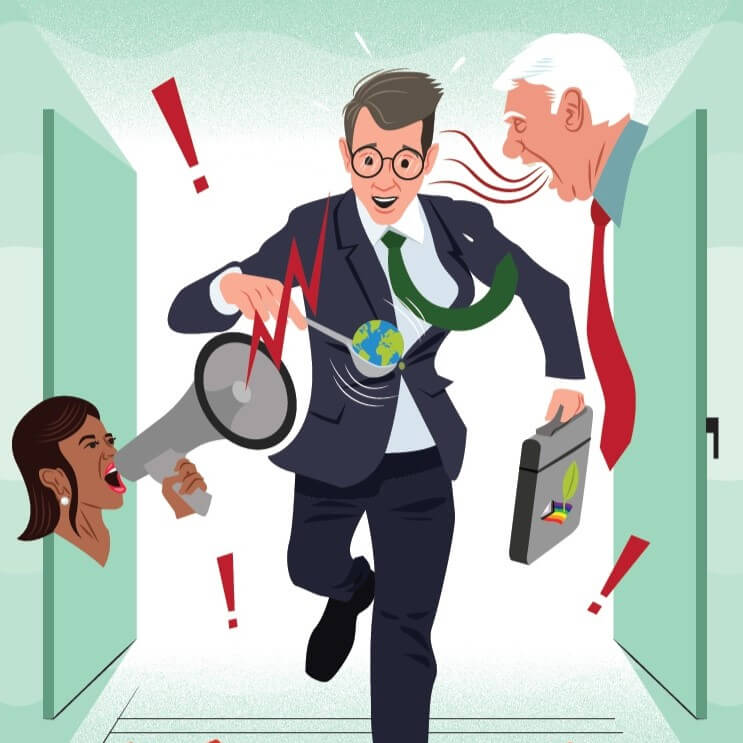
Acceleration asks effort by all parties

About the birds, the bees, and doing futureproof business

Well-intentioned, but...

Pieter Hemels (ftrprf): 'Strategy Should Always be Future-Proof'
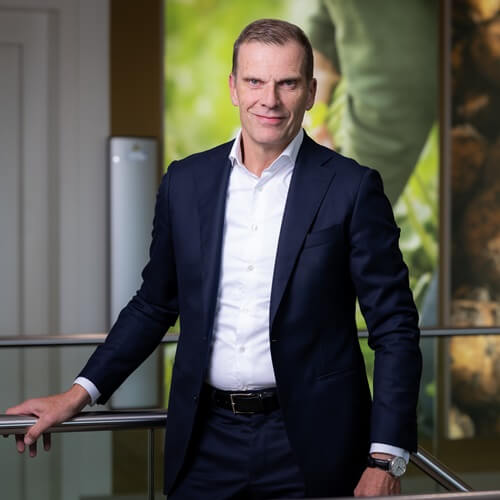
Hans Meeuwis (Cosun): 'We Attribute a Heroic Role to Plants'
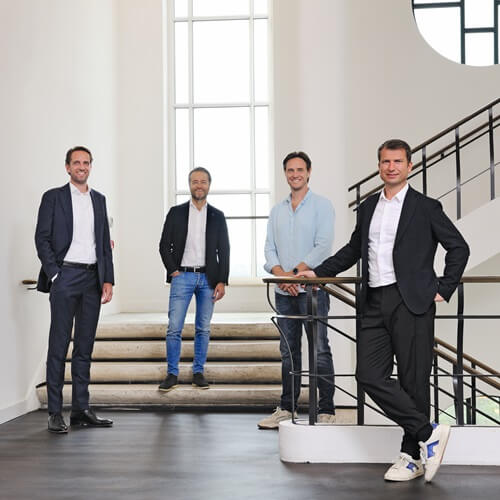
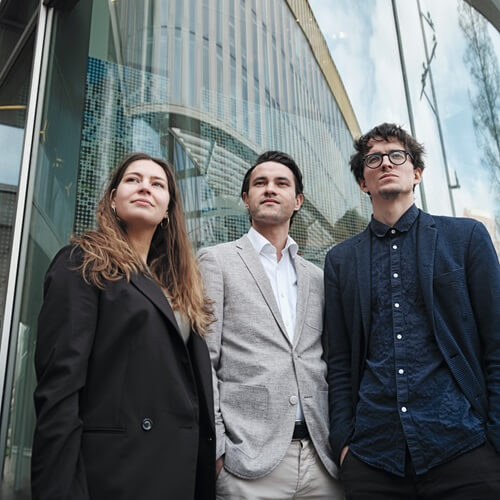
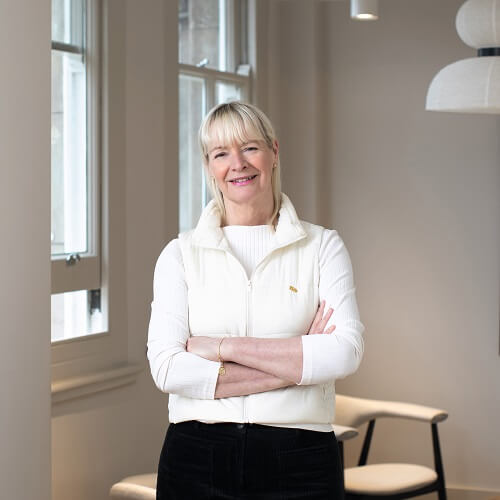
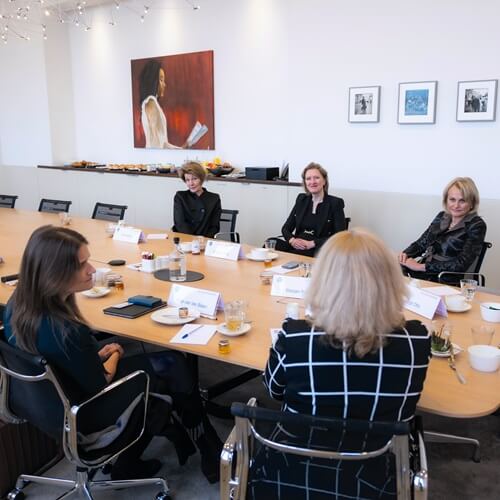
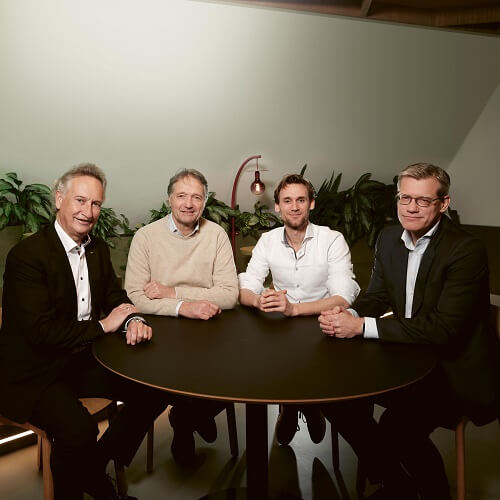
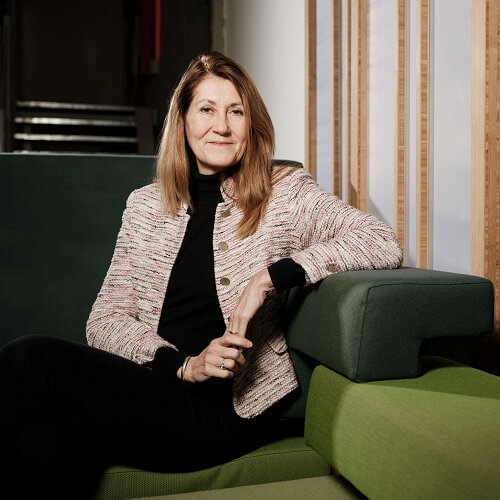
What are the challenges for the manufacturing industry in designing sustainable products? The directors of chipmaker NXP Semiconductors, denim brand MUD Jeans and aircraft manufacturer Maeve Aerospace - all three forerunners in their industries - in conversation about lofty ideals and the sometimes-unruly practice. 'It turns out to be very difficult to make an industry that is not yet ready for it, sustainable.' Plus: advice for directors.
Carpet manufacturer Interface has long been well ahead of the beat when it comes to sustainable transformation: the net zero ambition has been traded in for the next ambitious goal. Vice president of supply chain & operations Eline Oudenbroek hopes the industry will ‘walk with them’: ‘Companies can only survive by making all their processes sustainable. The realization that there is no business case in being non-regenerative is starting to sink in.’
Sustainable Transformation Makes Any Business More Robust
What are the challenges for the manufacturing industry in designing sustainable products? The directors of chipmaker NXP Semiconductors, denim brand MUD Jeans and aircraft manufacturer Maeve Aerospace - all three forerunners in their industries - in conversation about lofty ideals and the sometimes-unruly practice. 'It turns out to be very difficult to make an industry that is not yet ready for it, sustainable.' Plus: advice for directors.
Eline Oudenbroek (Interface): ‘No Relevance Without Sustainability’
Carpet manufacturer Interface has long been well ahead of the beat when it comes to sustainable transformation: the net zero ambition has been traded in for the next ambitious goal. Vice president of supply chain & operations Eline Oudenbroek hopes the industry will ‘walk with them’: ‘Companies can only survive by making all their processes sustainable. The realization that there is no business case in being non-regenerative is starting to sink in.’
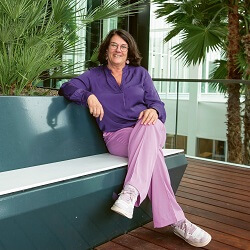
Jolanda Sappelli (a.s.r.): 'Closing the Gender Pay Gap Contributes to Talent Development'
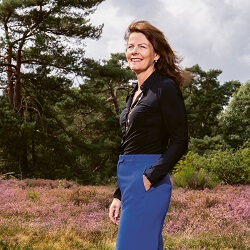
Carolina Wielinga (BDR Thermea): ‘Do not compete on sustainability’
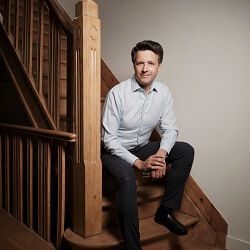
David Veredas: ‘When There Is No Obligation, Companies Push The Cost Onto Others’
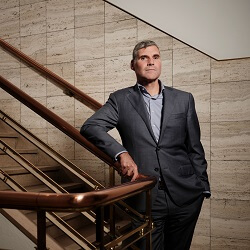
Harold Van Den Broek (Heineken): 'No Blank Cheques On ESG Designation'
The First 100 Days as CEO of Rabo Carbon Bank